Lavasa: The Rise, Fall, and Hope of India’s Private Hill City

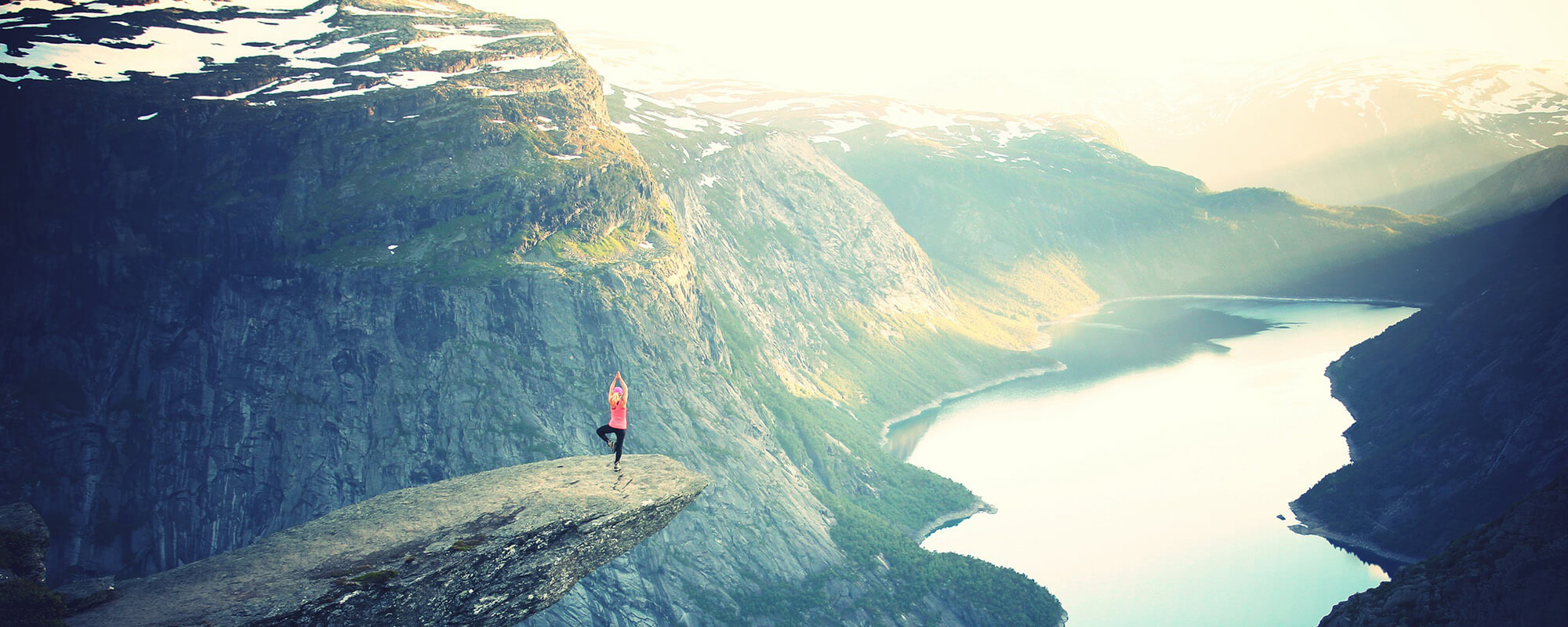
High in the Sahyadri hills of Maharashtra, overlooking the serene Warasgaon Lake, lies Lavasa—India’s first planned private hill city. What started as a groundbreaking experiment in urban development, inspired by the European town of Portofino, is now a hauntingly still landscape of half-complete dreams and modern ruins.

Lavasa was meant to be a beacon of luxury, sustainability, and smart governance, equipped with Apollo Hospital, 5-star resorts, international universities, IT zones, and world-class infrastructure. But two decades in, it stands as a cautionary tale of unchecked ambition and systemic missteps. Yet, for many, Lavasa still holds a glimmer of potential—a city ahead of its time, waiting for a second chance. It is located approximately 57 kilometers from Pune and 185 km from Mumbai.

Genesis: A Dream in the Western Ghats

The Lavasa project was launched in the early 2000s by Ajit Gulabchand, Chairman of Hindustan Construction Company (HCC), under the Lavasa Corporation Limited (LCL). The master plan envisioned:

  • A 100 sq km planned city built across 7 hills and 60 km of lakefront.
  • Five integrated towns: Dasve, Mugaon, Dhamanohol, Sakhari, and Tivsa.
  • Population target: 300,000 residents across mixed-income housing.
  • Based on New Urbanism principles—walkable neighborhoods, mixed-use zones, and self-containment.

Lavasa was the first Indian city developed using Geographic Information System (GIS) tools and modeled with environmental sensitivity—on paper at least.


The Vision: Luxury Living Meets Smart Planning

Launched in the early 2000s by Ajit Gulabchand of Hindustan Construction Company (HCC), Lavasa was envisioned as India’s first entirely privately built and managed city. Its master plan aimed to house over 300,000 people across five townships: Dasve, Mugaon, Dhamanohol, Sakhari, and Tivsa.

Key luxury and infrastructure highlights included:

  • Apollo Hospital: A fully functional multi-speciality hospital was planned to offer world-class healthcare.
  • 5-star hotels: Lavasa hosted premium hospitality brands such as The Waterfront Shaw, Mercure, and Fortune Select Dasve, offering luxury stays along its lakefront.
  • Convention and Event Spaces: The Lavasa International Convention Centre (LICC) was designed to be India’s premier MICE (Meetings, Incentives, Conferences, and Exhibitions) destination.
  • Educational Excellence: Campuses by Symbiosis International University and Christ University opened, with plans for global academic collaboration.
  • Modern amenities: Water taxis, golf courses, boat rides, bike trails, a marina, and exclusive villas added to the aspirational lifestyle.

The town of Dasve, the first to open in 2010, was a postcard-worthy blend of cobblestone streets, colorful Mediterranean-style buildings, cafes, and scenic views.

The Fall: Red Tape, Environment, and Economic Woes

Despite its stunning rollout, Lavasa’s downfall began in 2010 when the Ministry of Environment and Forests (MoEF) accused the developers of bypassing key environmental regulations. Construction was halted for nearly a year, causing:

  • Loss of investor and buyer confidence.
  • Stalled construction in the next township (Mugaon).
  • Mass layoffs and shutdowns of key infrastructure.
  • Mounting debts and defaults.

This snowballed into a financial crisis. Lavasa Corporation defaulted on multiple loans, and in 2018, it was admitted into bankruptcy proceedings. Promises of villas, schools, and hospitals were put on indefinite hold.


Lavasa Today: Ghost Town Glamour

Today, Lavasa is often referred to as India’s most beautiful ghost town. Grand hotels remain largely empty. Once-busy promenades are eerily quiet. Infrastructure like Apollo Hospital and luxury resorts still stand but with limited operations, lacking the ecosystem of people and activity to support them.

While some residents and tourists still visit, they navigate a strange mix of serenity and suspense. It’s a city where nature is reclaiming what humans began.


Hope for Revival: A Second Chance?

In 2023, the National Company Law Tribunal (NCLT) approved a revival plan. Darwin Platform Infrastructure Ltd. acquired Lavasa Corporation with a resolution to:

  • Complete unfinished townships.
  • Restart luxury services and attract investors.
  • Reignite tourism through eco-friendly development and wellness centers.
  • Provide relief and rehabilitation for over 4,000 families and property owners.

If executed, Lavasa could become a flagship example of luxury integrated with sustainability, tourism, and retirement living.

A Dream on Hold, Not Forgotten

Lavasa remains a powerful case study in 21st-century urban experimentation. With Apollo Hospital, luxury hotels, and stunning infrastructure already in place, all it needs now is visionary stewardship, responsible development, and community engagement.

The city still breathes—quietly, expectantly—waiting to see if it will be remembered as India’s urban tragedy or its redeemed utopia.

Lavasa remains one of India’s boldest urban experiments—flawed but fascinating. A symbol of aspiration, innovation, and hubris, it stands as a real-world model for what future Indian cities should do—or avoid.

With the right stewardship, Lavasa may still rise—not as the dream that once was, but as a reimagined city, rooted in sustainability, equity, and realism.

From Temples to Tastings: The Nashik You Didn’t Know

Nashik is a city where ancient legends blend seamlessly with modern tastes. Situated about 170 km from Mumbai, this vibrant destination has long been a spiritual stronghold—but today, it’s also known as India’s wine and brewery capital. Whether you’re a pilgrim, a foodie, a history buff, or a craft beverage enthusiast, Nashik offers an experience like no other.


A City of Contrast and Character

Nashik is where spiritual tradition and urban sophistication collide. On one hand, you’ll find temples that echo centuries of devotion. On the other, you’ll sip craft beer while watching sunsets over vineyards. With its moderate climate, scenic hills, and fertile land, Nashik is uniquely positioned to cater to a wide range of travelers.

Its evolution from a religious town to a cultural and viticultural hotspot mirrors India’s own journey—respecting tradition while embracing innovation.


Wineries That Built a Legacy

Sula Vineyards

Founded in 1999, Sula pioneered the wine movement in India. It produces more than 50% of the country’s wine today. Their tasting rooms, guided vineyard walks, and hill-view amphitheater make it a complete wine tourism destination.

York Winery

A family-owned gem known for its high-quality boutique wines and peaceful ambience. Their estate restaurant offers gourmet Indian cuisine with wine pairings, making it perfect for a romantic lunch.

Vallonné Vineyards

An Indo-French boutique winery that focuses on premium French-style wines like Malbec and Rosé. Offers luxurious lake-facing villas for overnight stays.

Soma Vine Village

Combines wine, art, and leisure. It’s a lifestyle vineyard with a spa, yoga retreats, and live grape-stomping in season.


Nashik’s Buzzing Craft Beverage Scene

As wine matured in Nashik, craft beer and mead quickly followed. Thanks to its clean groundwater and moderate temperatures, Nashik is an ideal brewing location.

Moonshine Meadery

India’s first licensed meadery, turning honey into buzz-worthy brews. Mead, a naturally fermented honey drink, is one of the world’s oldest alcoholic beverages. Moonshine’s bold flavors like coffee mead, chili guava, and pineapple mead are revolutionizing Indian drinking culture.

B-Desi Craft Brewery

An emerging local favorite, known for innovative seasonal beers using indigenous ingredients like kokum and turmeric. Also hosts live music nights and brewing workshops.


Cultural & Spiritual Heritage

Trimbakeshwar Temple

Located about 30 km from Nashik, this Jyotirlinga temple is believed to house all three gods of the Hindu trinity—Brahma, Vishnu, and Shiva—in one sanctum.

Panchavati

The epicenter of spiritual Nashik, where Lord Rama is said to have lived during his exile. Visit Kalaram Temple, Sita Gufa, and the Godavari River ghats for an immersive experience.

Kumbh Mela

Every 12 years, Nashik hosts the massive Kumbh Mela, one of the largest religious gatherings in the world. Millions take a holy dip in the Godavari River during this sacred festival.


Art, Culture & Modern Attractions

Pandavleni Caves

A series of 24 rock-cut Buddhist caves dating back to the 1st century BCE. These caves offer views of the city and insight into ancient monastic life.

Art Galleries & Local Crafts

Nashik is home to a growing community of local artists and potters. Visit the Kusumagraj Smarak or local tribal craft markets to witness their work.

Agri-Tourism

Visit local grape, pomegranate, onion, and tomato farms, and learn about Nashik’s thriving role in India’s agri-economy. Many agri-tours include farm-fresh meals and interactive workshops.


Gastronomic Delights

Nashik’s culinary landscape is a flavorful mix of tradition and innovation:

  • Wine & Cheese Tastings: Try gourmet pairings with aged cheeses, olives, and fresh bread.
  • Misal Pav: A fiery local favorite best enjoyed with a glass of chilled white wine.
  • Khandeshi Cuisine: Known for its spicy curries and smoked eggplant.
  • Fusion Cafés: New-age cafés and vineyard restaurants serve French, Italian, and Mediterranean cuisines with a local twist.

When to Visit

  • Best Weather: October to March (pleasant winter).
  • Harvest Season: January to March – the best time for wine festivals and grape stomping.
  • Monsoon (June to September): Lush green landscapes, perfect for nature photography and waterfall treks.

Stay Options for All Budgets

  • Luxury: The Source at Sula, Beyond by Sula, Radisson Blu.
  • Mid-range: Express Inn, Ginger Nashik.
  • Budget-friendly: Treebo, FabHotels, and vineyard homestays.

How to Reach Nashik

  • By Road: 4-hour drive from Mumbai or Pune via NH160.
  • By Train: Nashik Road Railway Station is well-connected.
  • By Air: Ozar Airport (24 km from city center) with flights from major Indian cities.

Nashik is India in a glass—rich in flavor, rooted in history, and bubbling with new energy. Whether you’re here for the temples or the tastings, the vineyards or the valleys, Nashik offers an unforgettable blend of experiences that appeal to the body, mind, and spirit.

So go ahead—take that weekend getaway, plan that wine trail, or attend that grape-stomping fest. Let Nashik surprise you.

A Serene Sojourn: Exploring Mahabaleshwar and Panchgani

Tucked away in the heart of the Western Ghats, Mahabaleshwar and Panchgani are twin hill stations in Maharashtra that promise a refreshing retreat into nature’s lap. Whether you’re a lover of lush landscapes, colonial charm, or strawberries, this charming duo is bound to captivate your heart.

🍓 the Land of Strawberries

Mahabaleshwar, perched at around 1,353 meters above sea level, is a green paradise that once served as the summer capital of the Bombay Presidency during the British era. Today, it’s one of the most sought-after weekend getaways from Mumbai and Pune.

Must-Visit Spots in Mahabaleshwar:

  • Arthur’s Seat: Often called the “Queen of All Points,” this viewpoint offers mesmerizing vistas of the Savitri River and surrounding valleys.
  • Venna Lake: A scenic spot for boating and horse riding, perfect for family outings and evening walks.
  • Mapro Garden: A haven for strawberry lovers – enjoy fresh strawberries with cream, shop for jams, syrups, and take a garden tour.
  • Pratapgad Fort: History buffs will enjoy this ancient fort built by Shivaji Maharaj, offering panoramic views and a dose of Maratha heritage.

Mahabaleshwar is also known for its dense evergreen forests, cascading waterfalls, and cool climate all year round. Monsoons add a magical touch, though winter is considered ideal for sightseeing.

🌄 A Step Back in Time – Panchgani

Just a 20-minute drive from Mahabaleshwar lies Panchgani, named after the five hills that surround it. This sleepy town retains a colonial charm, with British-style boarding schools, old churches, and scenic bungalows dotting its streets.

Highlights of Panchgani:

  • Table Land: Asia’s second-largest mountain plateau, this flat stretch offers horseback rides, local snacks, and a bird’s-eye view of the Krishna Valley.
  • Parsi Point: A perfect sunrise and sunset viewpoint overlooking the Dhom Dam.
  • Sydney Point: A breezy spot with views of the Wai town and Kamalgad Fort.
  • Devrai Art Village: A must-visit for art lovers, this eco-art village supports tribal artists and offers unique souvenirs.

Panchgani is quieter than Mahabaleshwar, making it ideal for those seeking a peaceful, offbeat experience. Its nostalgic air and natural beauty make it a writer’s and artist’s retreat.

🛍️ What to Shop:

  • Locally made jams, jellies, and honey
  • Handicrafts from Devrai Art Village
  • Chikkis, fudge, and other local snacks

🗓️ Best Time to Visit:

  • October to June is perfect, especially February-March during strawberry season.
  • Monsoon (June to September) is stunning but comes with heavy rainfall and misty conditions – ideal for monsoon lovers!

🚗 How to Reach:

  • By Road: About 120 km from Pune and 260 km from Mumbai.
  • By Rail: Nearest station is Wathar (60 km), though Pune offers better connectivity.
  • By Air: Pune Airport is the closest, followed by a road trip to the hill stations.

Mahabaleshwar and Panchgani together offer a harmonious blend of nature, nostalgia, and nourishment for the soul. Whether you’re chasing sunsets, strawberries, or serenity – these hills will leave you enchanted and yearning for more.