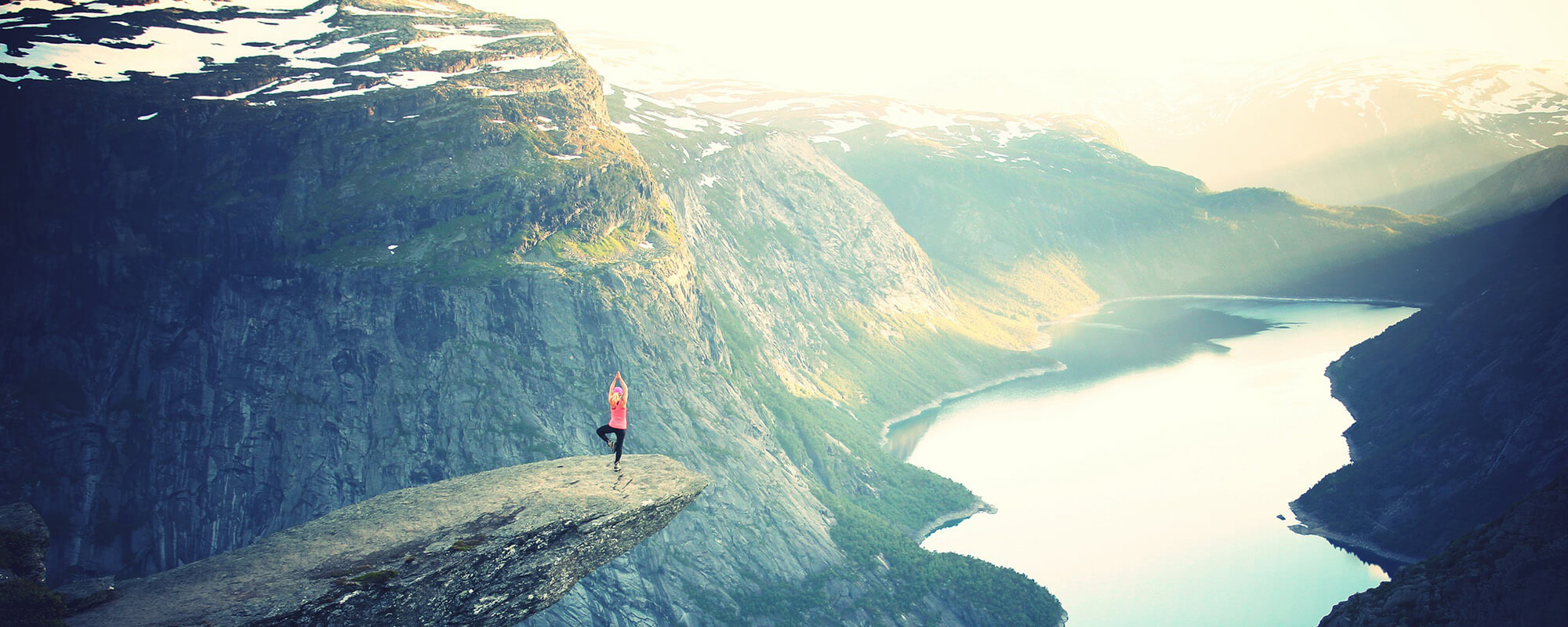
Nature: The Silent Healer We Often Forget

In an age of speed, screens, and constant stimulation, our minds have become crowded and our bodies exhausted. Yet just beyond our walls lies a timeless medicine calm, free, and profoundly effective: Nature.

Nature heals not with pills, machines, or instructions, but with presence, harmony, and quiet strength. When we step outside, the earth begins to repair what the world has worn down.

Nature Calms the Mind Like Nothing Else Can

When we are overwhelmed, nature becomes a sanctuary. Science shows that even a short walk among trees can: Slow down racing thoughts Lower cortisol and adrenaline Improve mood and mental clarity Reduce anxiety and emotional fatigue.

The rustling leaves, open sky, and soft breeze act like natural therapy, gently pulling us out of our stress and back into ourselves. In nature, the mind stops fighting it simply breathes.

Nature Strengthens the Body From the Inside Out

Nature doesn’t just soothe the mind; it rejuvenates the body. Fresh air increases oxygen exchange, improving heart and lung health. Sunlight boosts Vitamin D, essential for immunity and energy. Natural sounds like flowing water slow the heart rate. Walking, climbing, gardening, and outdoor play naturally improve fitness.

Even the essential oils released by plants—called phytoncides have been proven to increase immune cell activity.

Nature awakens the body’s own healing intelligence.

Nature Restores Emotional Balance

Emotions that feel heavy indoors often feel lighter outside. Nature provides a safe, gentle space for: Letting go of sadness Healing emotional wounds Finding gratitude Reconnecting with joy. Even a few minutes of watching the sky or touching the earth can shift us from chaos to calm.

Nature doesn’t judge your emotions it transforms them.

Nature Grounds You When Life Feels Overwhelming

Touching soil, walking barefoot on grass, holding a stone or leaf these simple acts reconnect us to something ancient and stabilising. This grounding effect:

Reduces inflammation Stabilizes mood Improves sleep Relieves tension

It reminds us that we belong here, that we are supported, and that life moves in cycles not straight lines.

Nature Reconnects You With Meaning

When we watch a sunrise, feel the warmth of sunlight, or listen to rain, we are reminded of life’s quiet miracles. Nature teaches us: Patience (through seasons) Renewal (through growth) Resilience (through storms) Hope (through dawn).

In nature, we remember who we are beyond responsibilities, identities, and pressures.

Nature Heals Without Asking Anything in Return

Nature’s healing is unconditional. It doesn’t ask for appointments. It doesn’t demand explanations. It doesn’t rush your healing.

It simply welcomes you over and over again.

Conclusion

Step Outside, and Let Nature Hold You

In a culture that measures growth by productivity, nature teaches us to grow by being. In a world that asks us to hurry, nature asks us to slow down. In a life filled with noise, nature offers silence.

Just a few minutes a day can begin to:

Calm your mind Restore your energy Deepen your peace Nourish your heart

Step outside.

Breathe deeply.

Let the earth do what it does best: heal you.

Because nature is not just beautiful, it is healing.

Curcumin: The Ancient Remedy with Modern Science

Curcumin is the bright yellow bioactive compound found in turmeric, a spice deeply rooted in Indian cuisine and Ayurvedic medicine. In recent years, it has gained worldwide attention due to its powerful healing properties and extensive scientific research supporting its benefits.

Historical and Traditional Significance

For thousands of years, turmeric has been used for healing wounds, boosting immunity, and treating digestive issues. Ayurveda describes turmeric as “Haridra”, a herb that balances all three doshas Vata, Pitta, and Kapha highlighting its natural therapeutic value.

Curcumin and Its Unique Chemical Properties

Curcumin is a polyphenol known for its anti-inflammatory and antioxidant actions. However, the human body does not easily absorb it on its own. This is why curcumin is often combined with piperine (black pepper extract), which enhances absorption by nearly 20 times.

A Natural Anti-Inflammatory Powerhouse

Chronic inflammation underlies health issues such as arthritis, obesity, heart disease, and cancer. Curcumin blocks inflammatory molecules like NF-κB, helping reduce swelling, joint stiffness, and tissue damage. It offers a natural, safer alternative to chemical anti-inflammatory drugs.

Protects the Body With Strong Antioxidant Activity

Free radicals damage cells and accelerate aging. Curcumin neutralizes these harmful molecules and boosts the body’s antioxidant enzymes, providing strong dual protection. This makes it beneficial for longevity and prevention of chronic diseases.

Enhances Memory and Cognitive Function

Curcumin increases Brain-Derived Neurotrophic Factor (BDNF), a protein essential for brain cell survival and growth. Higher BDNF levels help improve memory, focus, and learning capacity. Curcumin may also lower the risk of Alzheimer’s disease and age-related cognitive decline.

Supports Mental and Emotional Health

Curcumin has antidepressant-like effects because it boosts serotonin and dopamine levels. Many studies show improvements in mood, stress levels, and emotional balance when curcumin is used regularly.

Promotes Heart Health and Circulatory Wellness

Curcumin improves endothelial function the health of blood vessel walls. Better endothelial health reduces the risk of hypertension and heart disease. Curcumin also helps control cholesterol and reduces inflammation in the arteries, supporting healthier blood circulation.

Benefits Digestion and Gut Health

Curcumin stimulates digestive enzymes and strengthens gut health. It reduces bloating, acid reflux, and indigestion while supporting the growth of healthy gut bacteria. It is also useful in managing Irritable Bowel Syndrome (IBS).

Boosts Immunity and Fights Infections

Curcumin has natural antibacterial, antiviral, and antifungal properties. It helps the body fight infections more effectively and improves the immune response. This makes curcumin especially beneficial during seasonal changes and periods of low immunity.

Promotes Clearer, Healthier Skin

Due to its anti-inflammatory and antimicrobial effects, curcumin benefits the skin by reducing acne, calming eczema, soothing psoriasis, and preventing premature aging. It promotes a natural glow and supports faster healing of wounds and scars.

Best Ways to Take Curcumin Safely

Curcumin can be taken through turmeric in food, golden milk, or supplements containing 95% curcuminoids with piperine for maximum absorption. While generally safe, people with gallbladder issues, stomach ulcers, or those taking blood thinners should consult a doctor before use. With proper consumption, curcumin works as a holistic, natural support for long-term health.

Conclusion

Curcumin stands as one of nature’s most powerful and versatile healing compounds. From strengthening immunity and supporting heart and brain function to improving digestion, skin, and emotional health, its benefits are truly wide-ranging. Backed by both traditional wisdom and modern research, curcumin has earned a well-deserved place in daily wellness routines. When used consistently and correctly, this golden compound becomes a simple yet effective way to enhance overall health and promote long-term vitality.

Escape to Mount Abu: The Jewel of the Aravallis in Rajasthan

When one thinks of Rajasthan, images of golden deserts, majestic forts, and scorching summers typically come to mind. But nestled in the rugged Aravalli range lies a surprising exception—Mount Abu, Rajasthan’s only hill station. A cool, green oasis rising above the arid plains, Mount Abu offers a unique blend of natural beauty, historical marvels, and spiritual depth.

🌿 A Breath of Fresh Air in the Desert State

Perched at an altitude of about 1,220 meters (4,003 ft), Mount Abu is a refreshing escape from the intense heat of the surrounding regions. With its lush forests, placid lakes, and panoramic viewpoints, it’s no wonder this hill town has long been a favorite retreat for both locals and tourists alike.

The town sits within the Mount Abu Wildlife Sanctuary, a biodiversity hotspot teeming with flora and fauna. From leopards and sloth bears to over 250 species of birds, nature lovers are in for a treat.

🛕 Rich in Heritage and Spiritual Significance

Mount Abu is not just a pretty face; it’s steeped in history and spirituality.

  • Dilwara Temples: Perhaps the most exquisite attraction here, these Jain temples date back to the 11th–13th centuries. The intricate marble carvings are masterpieces of craftsmanship, rivaling any in India.
  • Brahma Kumaris Ashram: Headquartered in Mount Abu, this global spiritual movement offers courses in meditation and self-realization, drawing visitors from around the world.
  • Achalgarh Fort and Guru Shikhar (the highest point in Rajasthan) offer not just scenic vistas but also a sense of timelessness and peace.

🏞️ Must-See Sights

  • Nakki Lake: A central attraction where legends claim gods dug the lake with their nails. You can enjoy a serene boat ride or a leisurely stroll along the promenade.
  • Sunset Point: True to its name, it provides breathtaking sunset views over the hills, a perfect end to any day here.
  • Toad Rock: A natural rock formation resembling a toad, ideal for panoramic selfies and a bit of fun climbing.

🧺 Local Culture & Food

Though small, Mount Abu has a vibrant local culture. From tribal festivals to Rajasthani handicrafts, visitors get a glimpse into the region’s ethnic richness. Don’t miss trying local snacks like dal baati churma, gatte ki sabzi, and street-side chaat near Nakki Lake.

🛏️ Where to Stay

From luxury resorts and heritage hotels to budget-friendly guesthouses, Mount Abu caters to all kinds of travelers. Many accommodations offer valley or lake views, enhancing the hill station experience.

📅 Best Time to Visit

Mount Abu is pleasant throughout the year, but October to March is ideal for sightseeing and outdoor activities. The Mount Abu Summer Festival in May showcases folk dances, music, and local traditions.

✨ Final Thoughts

Mount Abu is a rare gem that blends natural beauty, spiritual solace, and cultural richness. Whether you’re a solo traveler seeking tranquility, a family planning a scenic getaway, or a couple looking for a romantic escape, this hill station welcomes you with open arms—and cool breezes.

Whispers of the Himalayas: A Journey to Harshil Valley

Nestled in the lap of the Garhwal Himalayas, far from the chaos of touristy hotspots, lies a serene haven—Harshil Valley. Located around 260 km from Dehradun and just 25 km before Gangotri, Harshil is one of Uttarakhand’s best-kept secrets. If you’re yearning for untouched natural beauty, snow-kissed peaks, whispering pine forests, and soul-calming solitude, this charming village is where your heart will find peace.


🌄 Why Visit Harshil Valley?

Harshil is not just a scenic pit stop on the way to Gangotri—it is a destination in its own right. Surrounded by lush deodar forests, apple orchards, and glacial streams, Harshil offers breathtaking vistas and a rejuvenating atmosphere. The majestic Bhagirathi River flowing through the valley enhances its charm, making it perfect for photography, meditation, or just soaking in nature’s glory.


🌟 Top Attractions in and Around Harshil Valley

1. Bhagirathi River

The lifeline of the valley, the Bhagirathi River flows in full glory with crystal-clear waters. The riverbanks are perfect for peaceful walks, photography, or just enjoying a moment of reflection.

2. Apple Orchards

Harshil is famous for its delicious apples. The orchards bloom in summer and are ready for harvest in autumn. Visitors can stroll through the apple farms, meet local growers, and even taste fresh, organic apples.

3. Dharali Village

Just 2 km from Harshil, Dharali is a scenic hamlet known for its quaint wooden houses and a temple dedicated to Lord Shiva. The village offers rich insights into the local Garhwali culture and cuisine.

4. Mukhba Village and Ganga Temple

Mukhba, across the river from Harshil, is the winter abode of Goddess Ganga. When Gangotri Temple closes during heavy snowfall, the idol is brought here. Visiting the Ganga Temple offers a serene spiritual experience.

5. Sattal (Seven Lakes)

A lesser-known treasure, Sattal near Harshil features seven small, naturally formed lakes surrounded by alpine meadows and forests. A must-visit for trekkers and nature lovers.

6. Gartang Gali

Recently reopened for tourists, this historic wooden bridge path on a vertical cliff near Nelong Valley was once part of an Indo-Tibetan trade route. The walk offers jaw-dropping views and a dose of adventure.

7. Kedartal Trek

For avid trekkers, the challenging but stunning Kedartal Trek starts near Gangotri and passes through dramatic glacial landscapes. Harshil is often a base for acclimatization before the trek.

8. Wilson Cottage

Named after Frederick Wilson, a British settler who lived in Harshil in the 19th century, this heritage cottage tells a fascinating tale of colonial times. It’s a great spot for history enthusiasts.

9. Gangotri Glacier and Temple

Although 25 km away, no visit to Harshil is complete without experiencing the spiritual aura of Gangotri Temple, the origin point of the River Ganga. The drive itself is breathtaking.


🏞️ Activities in Harshil Valley

  • Nature walks & river picnics
  • Star-gazing under clear Himalayan skies
  • Birdwatching and photography
  • Camping and bonfire nights
  • Spiritual visits and village homestays

🏡 Where to Stay

Harshil offers cozy GMVN guest houses, wooden cottages, and homestays where you can enjoy home-cooked Garhwali meals. Many travelers prefer staying with locals to get a richer cultural experience.


🚗 How to Reach

  • By Road: Well connected to Dehradun, Rishikesh, and Uttarkashi.
  • By Train: The nearest railway station is Dehradun (approx. 260 km).
  • By Air: Nearest airport is Jolly Grant Airport, Dehradun.

Harshil Valley is where time slows down and nature speaks in whispers. It is not just a place to visit—it’s a destination to feel, to breathe in, and to remember long after you’ve left. If you’re planning a peaceful Himalayan getaway with a perfect blend of spirituality, adventure, and untouched beauty—Harshil is calling you.

Best Time to Visit Harshil Valley

SeasonBest ForTravel Tip
March–JuneTrekking, sightseeing, Gangotri yatraIdeal weather, popular season
Sept–NovApple harvest, photographyLess crowded, beautiful landscapes
Dec–FebSnow, quiet escapesCarry warm clothes; roads may close
July–AugNot advisedRisky travel due to landslides

Discover Ladakh: The Land of High Passes

Tucked away in the northernmost reaches of India, Ladakh is more than just a place—it’s a journey into nature’s raw magnificence, spiritual calm, and ancient culture. Known as the “Land of High Passes,” Ladakh sits between the Kunlun and the Great Himalayas at altitudes ranging from 9,000 to 25,000 feet. With its stark landscapes, turquoise lakes, and picturesque monasteries, Ladakh is a dream for travelers seeking both adventure and peace.

🗺️ How to Reach Ladakh

Reaching Ladakh is a journey as memorable as the destination itself. Here are the main ways to get there:

✈️ By Air:
The easiest and quickest way to reach Ladakh is by air.

  • Nearest Airport: Kushok Bakula Rimpochee Airport in Leh (IXL)
  • Connectivity: Regular flights operate from Delhi, Srinagar, Chandigarh, and Jammu.
  • Travel Tip: Book flights well in advance, especially in summer (May–September), when tourist traffic peaks.

🚗 By Road:
For the adventurous, a road trip to Ladakh is the stuff of legend. Two primary routes lead to Leh:

  1. Manali to Leh (via Rohtang and Baralacha Passes) – ~473 km
    • Best Time: June to September
    • Time Required: 2 days with a night halt at Keylong or Jispa
  2. Srinagar to Leh (via Zoji La Pass) – ~434 km
    • Best Time: May to October
    • Time Required: 2 days with a halt at Kargil

🚌 Buses and Shared Cabs:

  • Himachal Pradesh Tourism and J&K SRTC run government buses from Manali and Srinagar.
  • Shared taxis are available from Manali, Srinagar, and even Delhi (via overnight journey to Manali/Srinagar first).

⛔ Important Note:
The roads close during winter due to heavy snowfall. Flights are the only reliable option from November to April.

🧭 Best Time to Visit

  • May to September: Ideal for trekking, biking, and sightseeing. Pleasant weather.
  • October to February: Perfect for winter lovers and photographers—expect snow, fewer tourists, and a frozen Pangong Lake!
  • Late January: Time your trip for the Chadar Trek (a walk on the frozen Zanskar River).

🏞️ What to See and Do

  • Pangong Tso: The ever-changing blue lake made famous by Bollywood.
  • Nubra Valley: Sand dunes, Bactrian camels, and Diskit Monastery.
  • Magnetic Hill: A gravity-defying spot near Leh.
  • Tso Moriri: A peaceful lake perfect for birdwatching and camping.
  • Monasteries: Hemis, Thiksey, and Alchi are architectural and spiritual marvels.
  • Adventure Sports: Trekking, river rafting, mountain biking, and high-altitude passes (like Khardung La).

🙏 Travel Tips

  • Acclimatize: Spend a day or two in Leh before venturing to higher altitudes to avoid AMS (Acute Mountain Sickness).
  • Permits: Inner Line Permits are required for areas like Nubra Valley, Pangong Tso, and Tso Moriri (available online or in Leh).
  • Sustainable Travel: Respect the fragile ecosystem. Carry refillable water bottles, avoid plastic, and stick to marked trails.

Ladakh is not just a place you visit—it’s an experience that stays with you. Whether you’re a biker looking to conquer the mighty passes, a photographer in search of surreal landscapes, or a soul-seeker seeking peace in the monasteries—Ladakh has something to offer everyone.

Would you like me to turn this blog into a downloadable PDF or include specific itineraries for 5 or 7 days?

Wandering Through Kumaon: A Journey into Uttarakhand’s Nature, Culture, and Heritage

Nestled in the lap of the majestic Himalayas, the Kumaon region of Uttarakhand offers a mesmerizing blend of natural beauty, rich cultural traditions, and soulful experiences. Stretching across scenic towns, ancient temples, dense forests, and pristine lakes, Kumaon remains one of India’s most enchanting yet peaceful destinations.

The Landscape and Natural Beauty

Kumaon’s geography is a breathtaking mix of towering mountains, lush valleys, and serene water bodies. From the shimmering Naini Lake in Nainital to the snow-clad peaks visible from Mukteshwar and Kausani, every turn in Kumaon paints a picture of raw Himalayan splendor. The Jim Corbett National Park, India’s oldest wildlife sanctuary, offers an adventurous escape into dense forests teeming with wildlife like tigers, elephants, and hundreds of bird species.

Must-Visit Places in Kumaon

  • Nainital: Known as the “Lake District of India,” Nainital is famous for its pear-shaped Naini Lake, vibrant Mall Road, and panoramic views from Snow View Point and Tiffin Top.
  • Almora: A cultural heart of Kumaon, Almora charms visitors with its cobbled streets, ancient temples like Chitai Golu Devta Temple, and local markets offering handwoven shawls and copperware.
  • Mukteshwar: A serene hill station offering stunning Himalayan vistas, fruit orchards, and adventure activities like rock climbing and rappelling. The Mukteshwar Temple and Chauli ki Jali are major attractions.
  • Kausani: Called the “Switzerland of India,” Kausani offers 360-degree views of Himalayan peaks like Nanda Devi and Trishul. It’s an ideal place for quiet retreats and long nature walks.
  • Munsiyari: A paradise for trekkers and nature lovers, Munsiyari is the base for the Milam and Ralam glacier treks. The views of the Panchachuli Peaks from here are simply breathtaking.
  • Binsar: Surrounded by the Binsar Wildlife Sanctuary, this quiet hilltop offers dense forests, a rich variety of birdlife, and the Zero Point viewpoint for sweeping Himalayan views.
  • Ranikhet: Steeped in colonial charm, Ranikhet boasts lush golf courses, beautiful gardens, and heritage temples like Jhula Devi Temple. It’s perfect for those seeking peace and natural beauty.
  • Jim Corbett National Park: Established in 1936, it is India’s first national park and one of the best places for wildlife safaris, especially to catch a glimpse of the elusive Bengal tiger.

Cultural Richness and Festivals

The region is equally rich in culture and traditions. The age-old customs of the Kumaoni people, their colorful festivals like Harela, Khatarua, and Nanda Devi Mela, and their soulful folk music and dances add depth to the experience. Local markets brim with handwoven shawls, copperware, and delicate wooden crafts, reflecting the artisanal legacy of the hills.

Spirituality and Ancient Heritage

Kumaon is dotted with ancient temples and sacred sites. The Jageshwar Dham, with its cluster of over a hundred stone temples dating back to the 9th century, whispers stories of a mystical past. Almora’s Chitai Golu Devta Temple, where countless bells hang as offerings from devotees, and the Bageshwar temple complex are other spiritual landmarks that infuse the journey with a deep sense of tranquility.

Adventure and Outdoor Activities

For adventure seekers, Kumaon offers treks through some of the most picturesque trails. The Pindari Glacier Trek, the trails to Khaliya Top in Munsiyari, and the walks through Binsar Wildlife Sanctuary provide both adrenaline and awe. Paragliding in Bhimtal, boating in Sattal, and camping under the stars in Pangot offer unforgettable outdoor experiences.

Cuisine and Local Flavors

No exploration of Kumaon is complete without tasting its hearty and flavorful cuisine. Dishes like Bhatt ki Churkani, Aloo ke Gutke, and Bal Mithai (a local sweet delicacy) capture the essence of the mountains — simple, nourishing, and full of character.

How to Reach Kumaon

  • By Air:
    The nearest airport is Pantnagar Airport, located around 65 km from Nainital. It is well connected to Delhi with regular flights. From the airport, taxis are easily available to major Kumaon destinations.
  • By Train:
    The nearest major railway stations are Kathgodam and Haldwani, which are well-connected to Delhi, Lucknow, and other major cities. From Kathgodam, one can hire a taxi or board a bus to reach different towns across Kumaon.
  • By Road:
    Kumaon is well connected by a network of state and national highways. Regular buses (both government and private) run from Delhi, Dehradun, and other nearby cities to Nainital, Almora, Ranikhet, and other key towns. Self-driving is also a popular option, with scenic mountain roads making the journey memorable.

Exploring the Kumaon region is more than just a travel experience — it is an immersion into a world where nature, history, spirituality, and local life coalesce into something truly magical. Whether you seek adventure, solitude, cultural richness, or just a quiet retreat, Kumaon stands ready to welcome you with open arms and timeless charm.

A Serene Sojourn: Exploring Mahabaleshwar and Panchgani

Tucked away in the heart of the Western Ghats, Mahabaleshwar and Panchgani are twin hill stations in Maharashtra that promise a refreshing retreat into nature’s lap. Whether you’re a lover of lush landscapes, colonial charm, or strawberries, this charming duo is bound to captivate your heart.

🍓 the Land of Strawberries

Mahabaleshwar, perched at around 1,353 meters above sea level, is a green paradise that once served as the summer capital of the Bombay Presidency during the British era. Today, it’s one of the most sought-after weekend getaways from Mumbai and Pune.

Must-Visit Spots in Mahabaleshwar:

  • Arthur’s Seat: Often called the “Queen of All Points,” this viewpoint offers mesmerizing vistas of the Savitri River and surrounding valleys.
  • Venna Lake: A scenic spot for boating and horse riding, perfect for family outings and evening walks.
  • Mapro Garden: A haven for strawberry lovers – enjoy fresh strawberries with cream, shop for jams, syrups, and take a garden tour.
  • Pratapgad Fort: History buffs will enjoy this ancient fort built by Shivaji Maharaj, offering panoramic views and a dose of Maratha heritage.

Mahabaleshwar is also known for its dense evergreen forests, cascading waterfalls, and cool climate all year round. Monsoons add a magical touch, though winter is considered ideal for sightseeing.

🌄 A Step Back in Time – Panchgani

Just a 20-minute drive from Mahabaleshwar lies Panchgani, named after the five hills that surround it. This sleepy town retains a colonial charm, with British-style boarding schools, old churches, and scenic bungalows dotting its streets.

Highlights of Panchgani:

  • Table Land: Asia’s second-largest mountain plateau, this flat stretch offers horseback rides, local snacks, and a bird’s-eye view of the Krishna Valley.
  • Parsi Point: A perfect sunrise and sunset viewpoint overlooking the Dhom Dam.
  • Sydney Point: A breezy spot with views of the Wai town and Kamalgad Fort.
  • Devrai Art Village: A must-visit for art lovers, this eco-art village supports tribal artists and offers unique souvenirs.

Panchgani is quieter than Mahabaleshwar, making it ideal for those seeking a peaceful, offbeat experience. Its nostalgic air and natural beauty make it a writer’s and artist’s retreat.

🛍️ What to Shop:

  • Locally made jams, jellies, and honey
  • Handicrafts from Devrai Art Village
  • Chikkis, fudge, and other local snacks

🗓️ Best Time to Visit:

  • October to June is perfect, especially February-March during strawberry season.
  • Monsoon (June to September) is stunning but comes with heavy rainfall and misty conditions – ideal for monsoon lovers!

🚗 How to Reach:

  • By Road: About 120 km from Pune and 260 km from Mumbai.
  • By Rail: Nearest station is Wathar (60 km), though Pune offers better connectivity.
  • By Air: Pune Airport is the closest, followed by a road trip to the hill stations.

Mahabaleshwar and Panchgani together offer a harmonious blend of nature, nostalgia, and nourishment for the soul. Whether you’re chasing sunsets, strawberries, or serenity – these hills will leave you enchanted and yearning for more.

Exploring Beyond Rishikesh: Best Nearby Destinations for a Perfect Getaway

Rishikesh, the ‘Yoga Capital of the World,’ is more than just a spiritual hub. Nestled in the lap of the Himalayas, it is surrounded by breathtaking landscapes, serene ashrams, and thrilling adventure spots. Famous for its ancient temples, the sacred Ganga River, and the iconic Laxman Jhula, Rishikesh attracts spiritual seekers, yoga practitioners, and adventure enthusiasts from around the world. Whether you are a nature lover, an adventure enthusiast, or someone seeking peace, there are plenty of places around Rishikesh that promise a memorable experience. Here are some of the top destinations to explore near Rishikesh.

1. Neelkanth Mahadev Temple (32 km)

A sacred Hindu pilgrimage site, the Neelkanth Mahadev Temple is dedicated to Lord Shiva. Located amidst dense forests and lofty mountains, this temple offers a peaceful retreat for devotees and travelers alike. The trek to the temple through lush greenery adds to the spiritual experience.

2. Shivpuri (16 km)

Famous for its white-water rafting and adventure camps, Shivpuri is a paradise for thrill-seekers. The gushing waters of the Ganges provide an exhilarating experience for rafters, while camping by the river under a starlit sky offers a serene escape from the city’s chaos.

3. Devprayag (74 km)

One of the Panch Prayags (five confluences) of the Alaknanda River, Devprayag is where the Bhagirathi and Alaknanda rivers meet to form the holy Ganga. This picturesque town is a great spot for spiritual exploration and scenic beauty.

4. Rajaji National Park (20 km)

A must-visit for wildlife enthusiasts, Rajaji National Park is home to elephants, leopards, deer, and a variety of bird species. A jungle safari through this biodiverse park offers a thrilling experience for nature lovers.

5. Kunjapuri Temple (25 km)

For those who love mesmerizing sunrises, Kunjapuri Temple is the place to be. Perched on a hill, it offers panoramic views of the snow-capped Himalayan peaks and the Ganges flowing below. The temple is also a great spot for trekking enthusiasts.

6. Vashishta Cave (25 km)

A hidden gem near Rishikesh, Vashishta Cave (or Vashishta Gufa) is an ancient meditation site believed to be used by sage Vashishta. The cave’s tranquil atmosphere makes it perfect for meditation and self-reflection.

7. Tehri Dam (85 km)

One of the tallest dams in the world, Tehri Dam is a magnificent structure surrounded by scenic mountains. The reservoir offers various water sports such as jet skiing, speed boating, and kayaking, making it a fantastic destination for adventure lovers.

8. Kanatal (90 km)

A lesser-known yet stunning hill station, Kanatal is perfect for those who love solitude and natural beauty. With apple orchards, dense forests, and charming homestays, it is an ideal getaway for a peaceful retreat.

9. Chopta (160 km)

Known as the ‘Mini Switzerland of India,’ Chopta is a paradise for trekkers and nature lovers. The famous Tungnath Temple and the Chandrashila trek offer breathtaking views of the Himalayan range.

10. Haridwar (20 km)

No visit to Rishikesh is complete without a trip to Haridwar. Witness the enchanting Ganga Aarti at Har Ki Pauri, explore ancient temples, and soak in the divine aura of this holy city. Whether you seek spirituality, adventure, or nature’s tranquility, the areas surrounding Rishikesh have something for everyone. From serene temples and wildlife sanctuaries to thrilling water sports and scenic treks, these places offer unforgettable experiences. So, pack your bags and embark on a journey to explore the wonders near Rishikesh!