
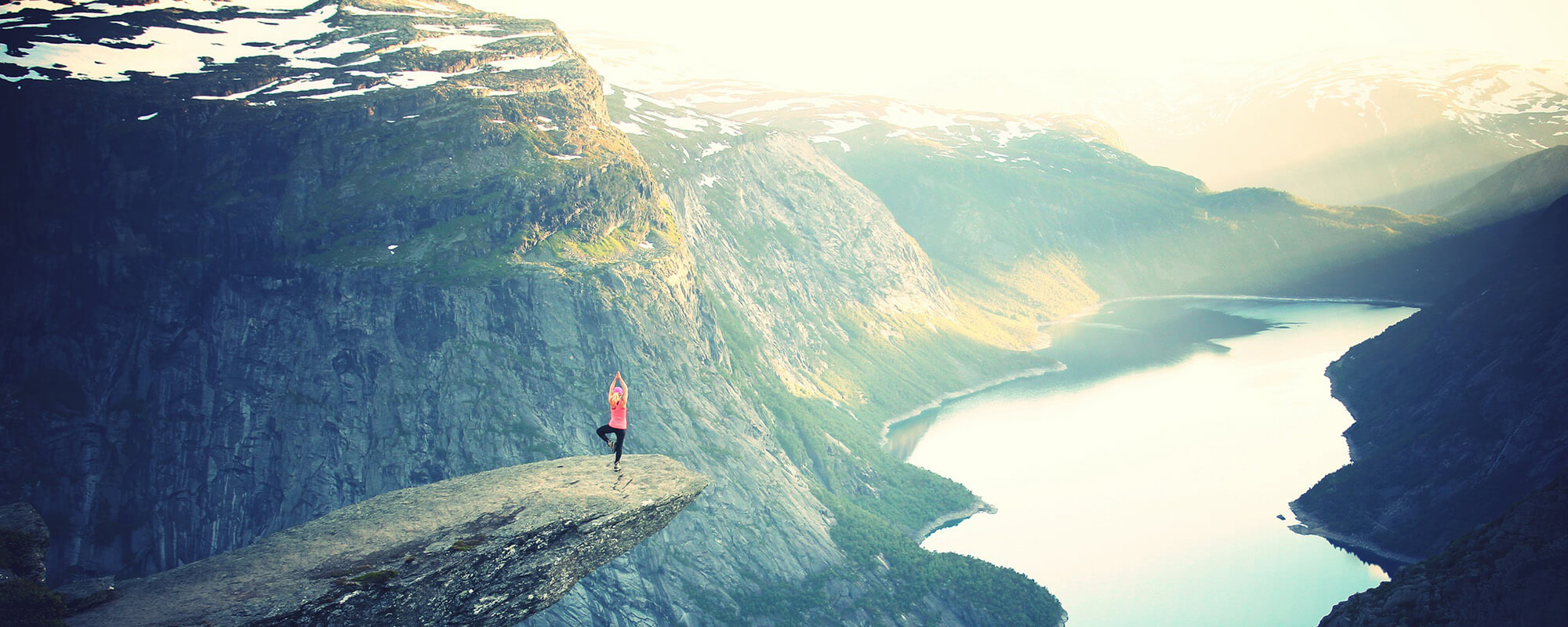


High in the Sahyadri hills of Maharashtra, overlooking the serene Warasgaon Lake, lies Lavasa—India’s first planned private hill city. What started as a groundbreaking experiment in urban development, inspired by the European town of Portofino, is now a hauntingly still landscape of half-complete dreams and modern ruins.
Lavasa was meant to be a beacon of luxury, sustainability, and smart governance, equipped with Apollo Hospital, 5-star resorts, international universities, IT zones, and world-class infrastructure. But two decades in, it stands as a cautionary tale of unchecked ambition and systemic missteps. Yet, for many, Lavasa still holds a glimmer of potential—a city ahead of its time, waiting for a second chance. It is located approximately 57 kilometers from Pune and 185 km from Mumbai.
Genesis: A Dream in the Western Ghats
The Lavasa project was launched in the early 2000s by Ajit Gulabchand, Chairman of Hindustan Construction Company (HCC), under the Lavasa Corporation Limited (LCL). The master plan envisioned:
- A 100 sq km planned city built across 7 hills and 60 km of lakefront.
- Five integrated towns: Dasve, Mugaon, Dhamanohol, Sakhari, and Tivsa.
- Population target: 300,000 residents across mixed-income housing.
- Based on New Urbanism principles—walkable neighborhoods, mixed-use zones, and self-containment.
Lavasa was the first Indian city developed using Geographic Information System (GIS) tools and modeled with environmental sensitivity—on paper at least.
The Vision: Luxury Living Meets Smart Planning
Launched in the early 2000s by Ajit Gulabchand of Hindustan Construction Company (HCC), Lavasa was envisioned as India’s first entirely privately built and managed city. Its master plan aimed to house over 300,000 people across five townships: Dasve, Mugaon, Dhamanohol, Sakhari, and Tivsa.
Key luxury and infrastructure highlights included:
- Apollo Hospital: A fully functional multi-speciality hospital was planned to offer world-class healthcare.
- 5-star hotels: Lavasa hosted premium hospitality brands such as The Waterfront Shaw, Mercure, and Fortune Select Dasve, offering luxury stays along its lakefront.
- Convention and Event Spaces: The Lavasa International Convention Centre (LICC) was designed to be India’s premier MICE (Meetings, Incentives, Conferences, and Exhibitions) destination.
- Educational Excellence: Campuses by Symbiosis International University and Christ University opened, with plans for global academic collaboration.
- Modern amenities: Water taxis, golf courses, boat rides, bike trails, a marina, and exclusive villas added to the aspirational lifestyle.
The town of Dasve, the first to open in 2010, was a postcard-worthy blend of cobblestone streets, colorful Mediterranean-style buildings, cafes, and scenic views.

The Fall: Red Tape, Environment, and Economic Woes
Despite its stunning rollout, Lavasa’s downfall began in 2010 when the Ministry of Environment and Forests (MoEF) accused the developers of bypassing key environmental regulations. Construction was halted for nearly a year, causing:
- Loss of investor and buyer confidence.
- Stalled construction in the next township (Mugaon).
- Mass layoffs and shutdowns of key infrastructure.
- Mounting debts and defaults.
This snowballed into a financial crisis. Lavasa Corporation defaulted on multiple loans, and in 2018, it was admitted into bankruptcy proceedings. Promises of villas, schools, and hospitals were put on indefinite hold.
Lavasa Today: Ghost Town Glamour
Today, Lavasa is often referred to as India’s most beautiful ghost town. Grand hotels remain largely empty. Once-busy promenades are eerily quiet. Infrastructure like Apollo Hospital and luxury resorts still stand but with limited operations, lacking the ecosystem of people and activity to support them.
While some residents and tourists still visit, they navigate a strange mix of serenity and suspense. It’s a city where nature is reclaiming what humans began.
Hope for Revival: A Second Chance?
In 2023, the National Company Law Tribunal (NCLT) approved a revival plan. Darwin Platform Infrastructure Ltd. acquired Lavasa Corporation with a resolution to:
- Complete unfinished townships.
- Restart luxury services and attract investors.
- Reignite tourism through eco-friendly development and wellness centers.
- Provide relief and rehabilitation for over 4,000 families and property owners.
If executed, Lavasa could become a flagship example of luxury integrated with sustainability, tourism, and retirement living.

A Dream on Hold, Not Forgotten
Lavasa remains a powerful case study in 21st-century urban experimentation. With Apollo Hospital, luxury hotels, and stunning infrastructure already in place, all it needs now is visionary stewardship, responsible development, and community engagement.
The city still breathes—quietly, expectantly—waiting to see if it will be remembered as India’s urban tragedy or its redeemed utopia.
Lavasa remains one of India’s boldest urban experiments—flawed but fascinating. A symbol of aspiration, innovation, and hubris, it stands as a real-world model for what future Indian cities should do—or avoid.
With the right stewardship, Lavasa may still rise—not as the dream that once was, but as a reimagined city, rooted in sustainability, equity, and realism.