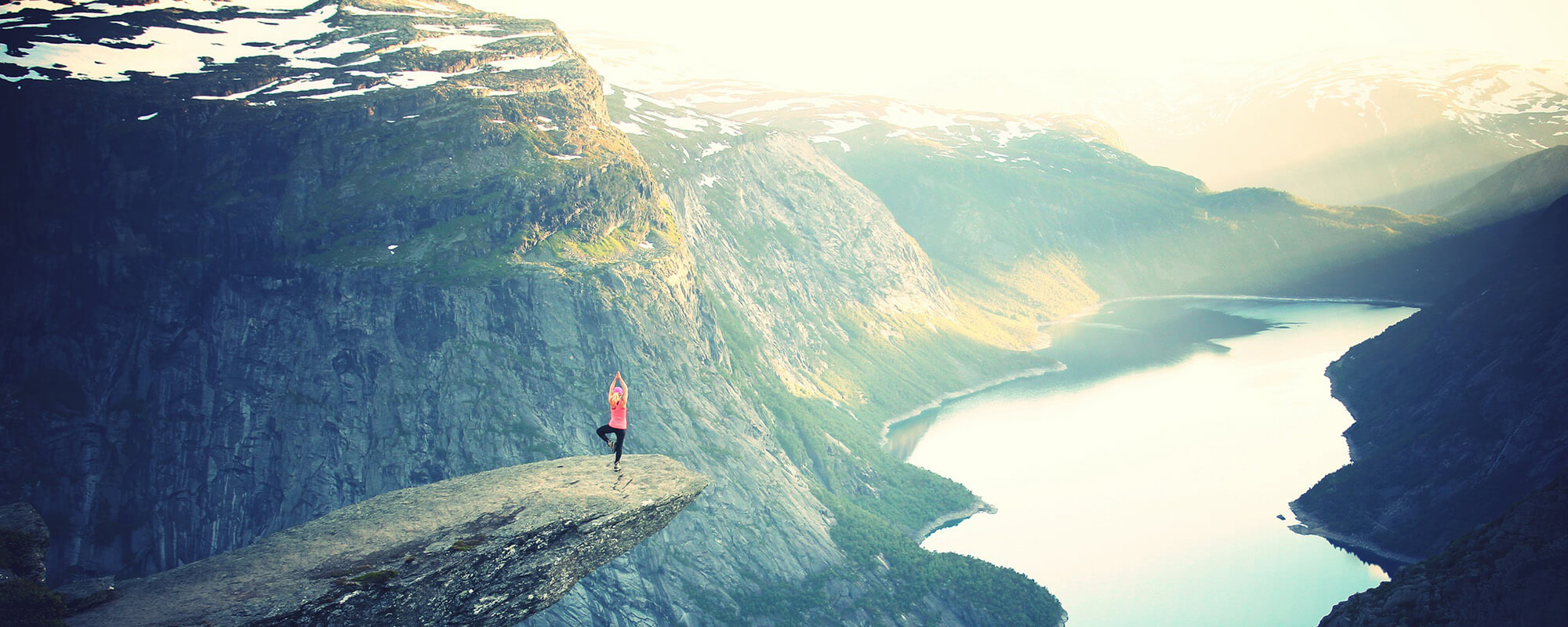
Spiritual Healing: A Journey Beyond the Physical

In today’s hyper-connected but emotionally isolated world, many people are turning inward, seeking healing not from pills, but from peace. Spiritual healing is one such profound journey — a path that leads you to the core of your being, beyond the physical, to bring harmony between your body, mind, and soul.

What Is Spiritual Healing?

Spiritual healing is an ancient, holistic approach to wellness that treats not just the symptoms, but the root causes of emotional, energetic, and sometimes even physical imbalances. It involves working on the subtle body, aligning our energies, and clearing blocks that might have built up due to past trauma, stress, or unresolved emotions.

Spiritual healing is not religion-bound. It’s a universal path of awareness and inner transformation. Whether you call it soul work, energy healing, or divine alignment, the goal is the same: wholeness.


Signs You May Be in Need of Spiritual Healing:

  • A deep sense of disconnection from life or your purpose
  • Repeated patterns in relationships or emotional triggers
  • Ongoing mental or physical fatigue, even after rest
  • Feelings of emptiness, sadness, or lack of motivation
  • Inability to move on from the past
  • A spiritual longing — a search for meaning

Popular Methods of Spiritual Healing

1. Energy Healing (Reiki, Pranic Healing, Theta Healing)

Practitioners channel universal life force to clear energetic blockages.

2. Chakra Balancing & Meditation

Aligns the body’s seven energy centers for emotional and spiritual well-being.

3. Sound Healing & Mantra Therapy

Uses vibrations from bowls, gongs, or Sanskrit chants to release deep-seated stress.

4. Past Life Regression & Inner Child Work

Heals unresolved karmic patterns and emotional wounds from earlier experiences.

5. Spiritual Retreats & Guided Journeys

Immersive experiences where individuals disconnect from routine and dive deep into healing through yoga, silence, detox, and self-discovery.


Top Spiritual Healing Centers in India

India has been a sacred land for spiritual transformation for centuries. From the Himalayas to the backwaters, you’ll find ashrams, wellness centers, and retreats offering genuine spiritual healing.

1. Rishikesh, Uttarakhand – The Yoga Capital of the World

  • Famous for yoga, meditation, and Ganga-side spiritual practices.
  • Centers: Parmarth Niketan, Anand Prakash Yoga Ashram, Aurovalley Ashram.
  • Healing practices: Reiki, yoga therapy, mantra chanting, and Vedantic teachings.

2. Auroville, Tamil Nadu – The City of Dawn

  • An experimental township focused on human unity and conscious living.
  • Centers: Quiet Healing Center, Savitri Bhavan, Integral Yoga Institutes.
  • Offers sound therapy, energy healing, silence retreats, and spiritual workshops.

3. Dharamshala & McLeod Ganj, Himachal Pradesh – Tibetan Healing

  • Home to the Dalai Lama and rich in Tibetan spiritual traditions.
  • Practices include Tibetan sound healing, meditation, and Buddhist teachings.
  • Centers: Tushita Meditation Centre, Norbulingka Institute.

4. Kerala – Ayurveda & Spiritual Detox

  • Known for blending Ayurvedic detox with spiritual rejuvenation.
  • Centers: SwaSwara (Gokarna), Somatheeram Ayurveda Village, Kaivalyam Retreat (Munnar).
  • Practices: Panchakarma, yoga, silent retreats, healing through nature.

5. Pune – Osho International Meditation Resort

  • Modern spiritual retreat offering dynamic meditations and inner freedom practices.
  • Focuses on meditation, tantra, emotional catharsis, and conscious living.

6. Haridwar & Varanasi – Sacred River Healing

  • Pilgrimage cities known for Ganga snan (ritual bathing), havans, and spiritual discourses.
  • Healing is done through devotional practices, bhakti yoga, and spiritual cleansing.

7. Mount Abu, Rajasthan – Brahma Kumaris Spiritual University

  • Offers Rajyoga Meditation, soul consciousness education, and peace retreats.
  • Known for clean, serene environment and deep inner work.

Why Spiritual Healing Matters Now More Than Ever

Modern life moves fast, but the soul doesn’t. We are often so caught up in doing that we forget how to simply be. Spiritual healing reminds us of our divine nature and allows us to:

  • Break free from limiting beliefs
  • Release energetic burdens
  • Strengthen inner resilience
  • Cultivate peace in relationships
  • Awaken to our higher purpose

This isn’t just about “feeling better” — it’s about becoming whole.


Begin Your Healing Journey

You don’t need to climb a mountain or join an ashram to begin. Start with stillness. Listen inward. You can also:

  • Practice 10 minutes of daily meditation
  • Explore spiritual texts (like the Bhagavad Gita or Upanishads)
  • Try energy healing or attend a retreat
  • Spend time in nature — nature is one of the greatest healers

As you begin to shift within, the world around you transforms.

Triund Trek: A Journey into the Heart of the Dhauladhars

If you’re dreaming of crisp mountain air, starry nights, and panoramic Himalayan views without venturing into extremely difficult terrain, the Triund Trek is your answer. Tucked in the Dhauladhar range of Himachal Pradesh, Triund is one of the most popular and accessible treks in North India, especially for beginners. With its scenic trails, peaceful campsites, and rewarding views, it offers a perfect mix of adventure and serenity.

Where Is Triund?

Triund is a mountain ridge situated at an altitude of about 2,875 meters (9,429 feet) above sea level, approximately 9 km from McLeod Ganj, near Dharamshala in Himachal Pradesh. It serves as the gateway to deeper treks into the Dhauladhar mountains, including routes to Indrahar Pass and Lahesh Cave, but for many, Triund itself is the perfect weekend getaway.


How to Reach the Base

Your journey begins in McLeod Ganj, a bustling little town known for its Tibetan influence and spiritual ambiance. McLeod Ganj is well-connected by road from Delhi, Chandigarh, and Pathankot. The nearest airport is Gaggal (Dharamshala Airport), about 20 km away. From McLeod Ganj, you can start the trek directly or take a short drive to Dharamkot or Gallu Devi Temple, both common starting points.


The Trail: Distance, Duration, and Difficulty

The trek from Gallu Devi to Triund is about 6 to 7 km long and takes 3 to 5 hours to complete, depending on your fitness level and how often you stop to enjoy the view. The path starts gently and gets steeper after the halfway point. The final stretch, famously called the “22 curves,” is a series of switchbacks that test your legs but reward your eyes.

Despite being labeled as “easy to moderate,” the climb can be tiring, especially in the sun or if you’re not used to altitude. However, the trail is well-marked and frequented by fellow trekkers, making it safe and manageable even for first-timers.


Scenic Highlights Along the Way

From the very first step, you’re treated to a visual feast—lush oak and deodar forests, chirping birds, grazing sheep, and occasional glimpses of the snow-capped peaks. Small tea stalls like Magic View Café (the oldest chai point on the route) offer snacks, drinks, and a chance to rest. As you ascend, the views become more dramatic. The dense forest gives way to wide-open meadows, and the towering Dhauladhar range starts to reveal itself in all its glory.


The Triund Ridge: A Place Above the Clouds

Reaching the top feels like stepping into another world. The Triund ridge is a wide, grassy plateau with an unbeatable 360-degree view. To the north, the snow-dusted Dhauladhar mountains loom large. To the south, the Kangra Valley spreads out like a green blanket. Most trekkers arrive in the late afternoon, just in time to witness a sunset that lights up the sky in oranges, pinks, and purples.

Camping on Triund is magical. Under a blanket of stars, with the chill of the mountains and the occasional crackle of a bonfire, the night has its own kind of peace. If you’re lucky, you may even wake up to a sea of clouds beneath you, making you feel like you’re floating above the world.


What to Pack
  • Trekking shoes with good grip
  • Water bottle (refill at tea stalls)
  • Sunscreen, sunglasses, and a hat
  • Warm clothing (it gets cold, even in summer)
  • Rain gear if you’re trekking during monsoon
  • Flashlight or headlamp if camping
  • Snacks & energy bars
  • Camera or smartphone to capture the magic

Best Time to Visit

The best months to do the Triund Trek are March to June and September to November. These months offer clear skies, pleasant weather, and vibrant landscapes. The monsoon season (July-August) can be slippery and risky, while winters (December-February) often bring snow, which can block the trail but also offers a different kind of adventure for experienced trekkers.


Where to Stay
  • Camp on the ridge (tents are available for rent at the top or from McLeod Ganj)
  • Stay at forest guest houses with prior booking
  • Return the same day if you’re short on time, though you’ll miss the sunrise and night sky!

The Triund Trek is not just about reaching the top—it’s about slowing down, breathing deeply, and letting the mountains work their quiet magic on you. Whether you’re traveling solo, with friends, or even as a couple, the journey to Triund is one that stays with you long after you’ve descended. It’s where conversations happen without phones, where nature sings louder than any playlist, and where the sky feels just a little closer.

So lace up your boots, pack a sense of wonder, and head for Triund—the mountains are calling.